
How Kimberley turned its age-friendly plan into action
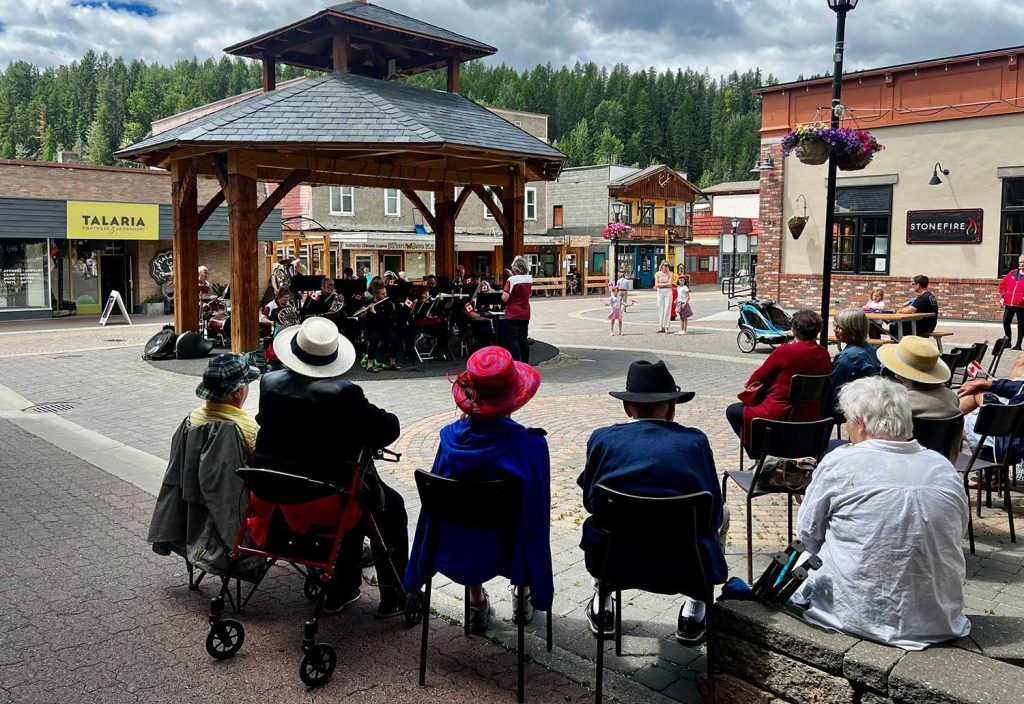
When the City of Kimberley set out to develop an Age-friendly Accessibility Plan with support from a BC Healthy Communities PlanH Community Connectedness grant, the goal was straightforward: create a roadmap for making the city more inclusive, safe and welcoming for older adults and people with disabilities. What happened next surprised even the people behind it. Before the ink was dry, the city was already building.
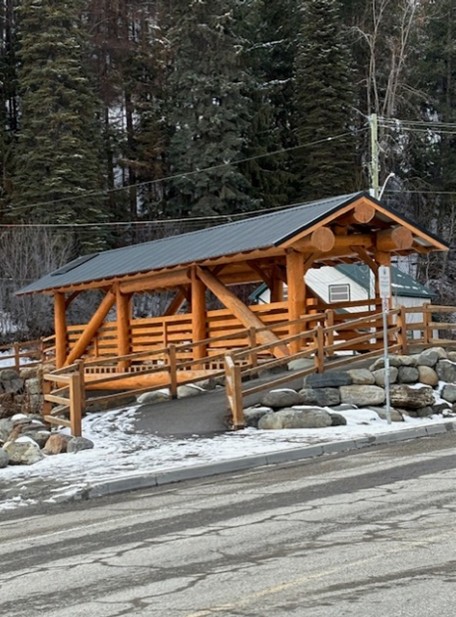
Sidewalks were upgraded. Communication systems were improved to better reach older residents and those with disabilities. And the city’s Accessibility Advisory Committee was actively working through the next steps, guided by the plan. The speed of that transition – from consultation to concrete change – speaks to something deeper than good project management. It reflects what happens when a community genuinely owns the work.
“It’s not just a document. It’s a living strategy that continues to shape how we build a more inclusive, connected and age-friendly Kimberley,” said Jasmine Nelson, Kimberly’s Acting Deputy Corporate Officer.
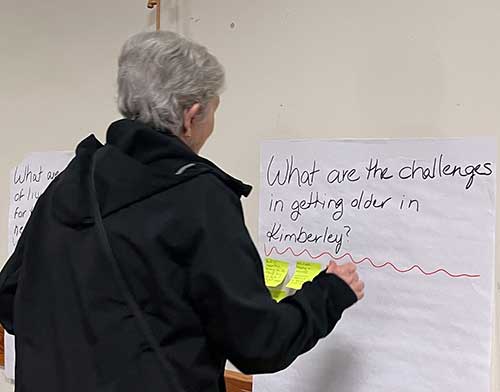
That sense of shared ownership didn’t happen by accident. The planning process was deliberately designed to bring in a wide range of voices – seniors’ groups, Interior Health, Council members, library staff, community paramedics and the local food bank, among others. The goal was not just to gather input, but to build genuine collaboration across sectors. Those relationships, strengthened through the process, are now what keeps the plan alive.
Equity was built into the process from the start. The city brought in a consultant with expertise in equity and inclusion to guide engagement and ensure that underrepresented voices – including Indigenous community members, older adults, and people with lived experience of disability – had real opportunities to shape the plan. That lens also informed where improvements were prioritized, directing resources toward the areas with the greatest impact on accessibility and inclusion.
One of the more unexpected outcomes was how enthusiastic people were. Nelson noted that the depth of insight and willingness to share lived experience exceeded the team’s expectations. That community energy enriched the final document and, perhaps more importantly, created momentum that carried through to implementation.
Interior Health played a meaningful role throughout, meeting with the city during the grant period to discuss health-related considerations and how accessibility improvements could support community well-being. Their involvement helped ensure the plan connected municipal infrastructure goals with broader public health objectives – a linkage that strengthens the case for every sidewalk ramp and communication upgrade that follows.
The plan itself is built around the principles of BC’s accessibility legislation and age-friendly best practices, with a focus on removing barriers across municipal facilities, transportation systems, public spaces, and communication services. But its real strength lies less in its contents than in the process that produced it: one that was thorough, inclusive, and grounded in the lived reality of Kimberley residents.
For other communities considering similar work, Nelson’s advice is direct: start with open, respectful dialogue and make space for lived experience to guide the work. “Addressing accessibility requires looking at issues through a new lens, and this change can only happen through genuine listening and engagement,” she reflects. “By building these relationships, a real shift in perspective can happen, allowing for lasting and meaningful change.”
In Kimberley, that change is already visible in the sidewalks people walk on and the information they receive from their city. With the Accessibility Committee continuing to guide the next steps, more is coming. The plan has created not just a framework for action, but the relationships and trust needed to keep acting on it – which, in the end, may be its most valuable output.