
When the Community Leads: Chawathil First Nation redefines health on Its own terms
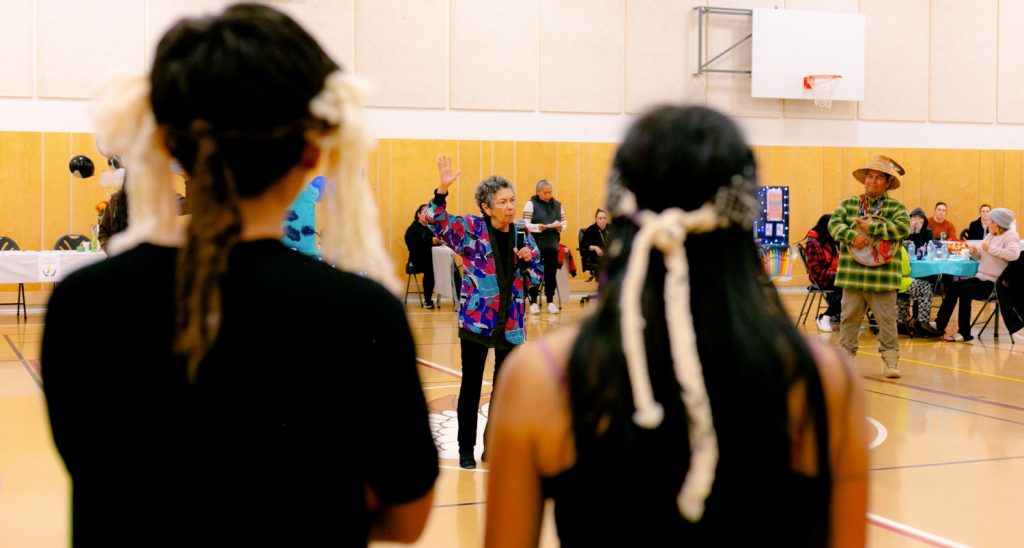
With support from a PlanH grant, Chawathil First Nation brought Elders, youth, and community members together to build an Indigenous Health and Well-Being Plan rooted in culture, connection and self-determination.
There’s a particular kind of meeting that doesn’t appear on any official agenda. It happens when an Elder accepts a bowl of traditional food from a teenager who wasn’t sure they’d be welcomed in the room. When someone speaks a truth they’ve never said aloud before, and the circle holds it gently.
That’s the kind of meeting Chawathil First Nation set out to create – and by the time their project wrapped up, they’d created many of them.
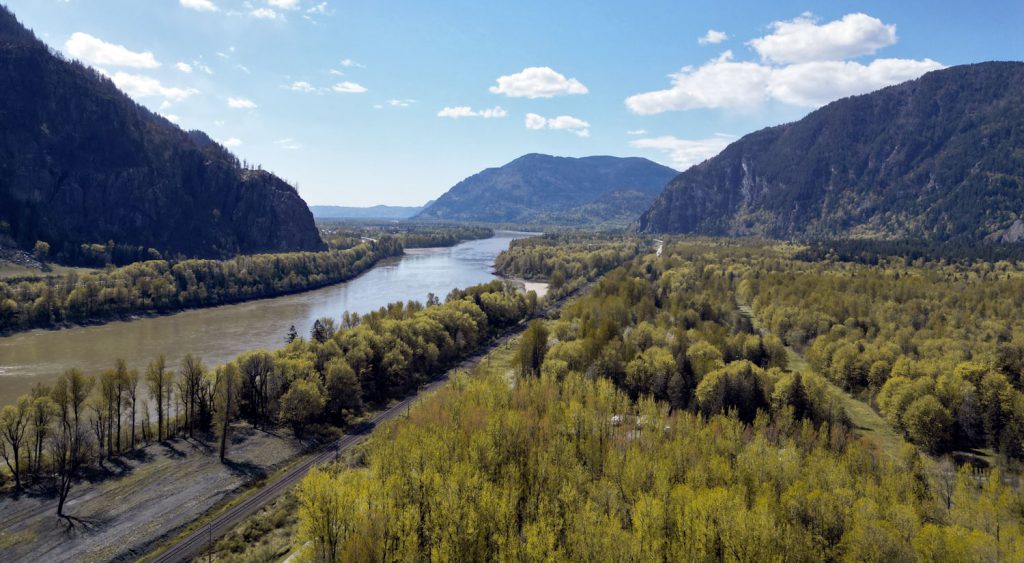
With funding through PlanH, Chawathil – a Stó:lō First Nation whose traditional territory follows the Fraser River east of Hope – developed an Indigenous Health and Well-Being Plan shaped by the community’s own understanding of health. Not a clinical framework handed down from outside, but a vision built by the people it’s meant to serve.
Redefining health from the inside out
“We didn’t just talk about health – we redefined it together,” the project team said in their final report. Engagement sessions were held in welcoming, non-clinical spaces where traditional foods were served and ceremonies were woven in. Transportation, meals, and honoraria removed the practical barriers that so often sideline the voices planning processes claim to want.
The result was genuine participation from people who rarely appear in consultation: Elders, youth and those navigating mental wellness challenges and substance use – not as demographics to be addressed, but as knowledge-holders and decision-makers.
Elders and youth, at the same table
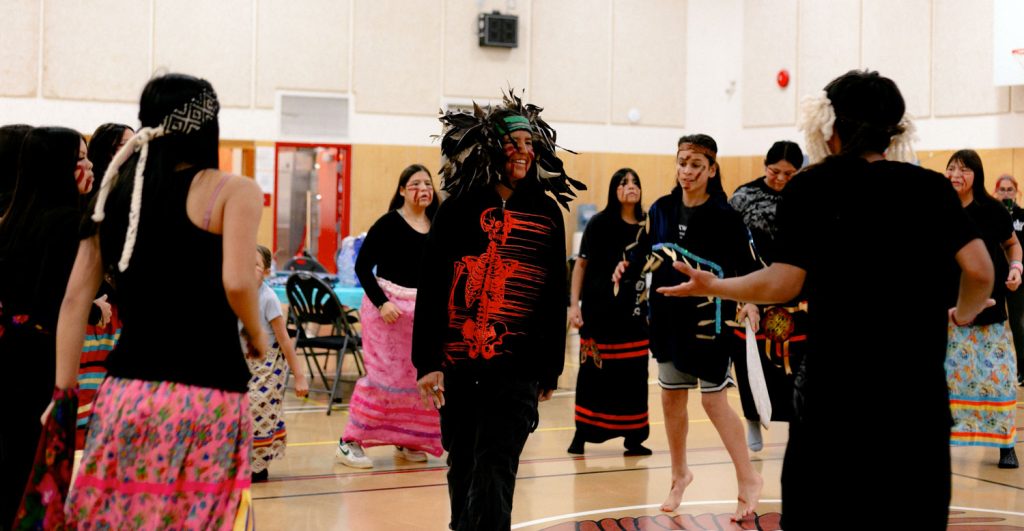
One of the project’s most powerful outcomes was intergenerational. When Elders and young community members sat together, sharing stories and visions for the future, something shifted. Youth became active participants in health planning, connecting with traditional knowledge and stepping into new leadership. Traditional practices like sage burning weren’t add-ons – they signalled that Indigenous ways of knowing were centred, not just tolerated.
The dialogue was, in the team’s words, “honest, healing, and hopeful” – covering mental wellness, substance use, access to care, and preventative health without flinching.
A plan that belongs to the community
What emerged was more than data. Community members shaped a plan that prioritizes culturally safe care, mental wellness and preventative services. External partners gained a deeper understanding of community needs, moving relationships from transactional to reciprocal. And across generations, a stronger sense of belonging took root.
The team summed it up simply: “This project wasn’t just about planning – it was about connection. It reminded us that when communities lead their own wellness journeys, the outcomes are more meaningful, sustainable and rooted in culture. We’re proud of what we’ve built, and even more excited for what’s ahead.”
Chawathil First Nation’s Indigenous Health and Well-Being Plan was supported by a PlanH grant through BC Healthy Communities, which supports local governments and Indigenous communities in building healthier communities through collaborative, community-led planning.